
Move, Don’t Sit: A 10-Minute Daily Routine to Protect Your Spine at Work
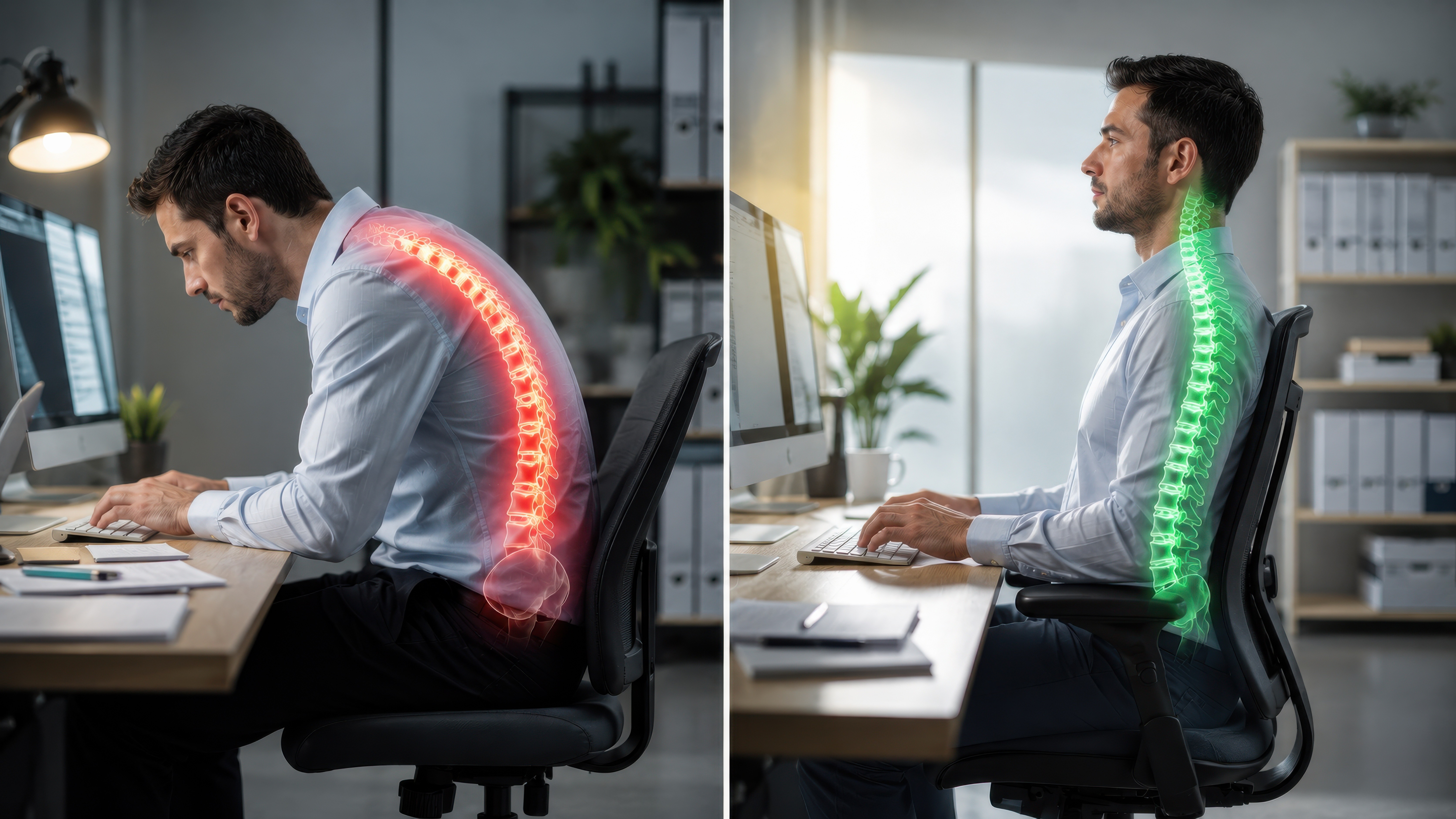
This routine is designed to target key areas often affected by desk work, promoting spinal mobility, improving circulation, and easing tension. Each step builds on the last to offer a comprehensive, yet quick, reset for your body.
Short, regular movement breaks, such as this 10-minute routine, are scientifically supported to reduce muscle stiffness, ease discomfort, and significantly contribute to everyday spinal health for individuals engaged in desk-based tasks. Consistency is key.
We understand that carving out 10 minutes can feel challenging amidst tight deadlines, a bustling office environment, or even the distractions of a quiet work-from-home space. Common barriers include time pressure, a crowded desk, or feeling self-conscious. But there are easy adaptations.
To make this routine fit your day, consider splitting it into two 5-minute bursts. Perhaps do the upper body stretches in the morning and the lower body/posture reset in the afternoon. Perform moves between meetings, during a phone call, or while waiting for a document to load.
If you’d like personalised guidance tailored to your specific work pattern, a clinician at Guildford Spine Centre can help. For our Guildford readers, we're here to offer expert assessment and support to help you stay active and comfortable at work.
For tailored advice, to discuss a personalised movement plan, or if your discomfort persists despite regular movement, book an assessment with Guildford Spine Centre. Our experienced team is dedicated to supporting your spinal health. If you’d like to learn more about us and our approach, you can meet the team.


When Should I See a Chiropractor for Lower Back Pain in Guildford? If your lower back pain keeps coming back or is getting in the way of daily life, it's worth getting it assessed. Many people wait until discomfort becomes a regular background problem, then tell me, 'I wish I'd come in sooner.'

Discover practical, evidence-based back pain management tips aligned with UK guidelines for 2026. Simple daily moves, activity tips, and local Guildford-friendly ideas to help you move better.